
Mental blocks at work run deep—they are often core beliefs tightly intertwined with our very identity. It is not a matter of “lacking discipline”; these barriers are deeply rooted. Most originate in childhood, when emotions were overlooked or deemed unacceptable, and when conformity mattered more than having the freedom to voice one’s own truth.
Many people navigate their workday driven by internal scripts. The classics include: “I have to perform, otherwise I am worthless!” or “Conflicts are dangerous!”
What was built as protection in childhood becomes a barrier in adulthood. People work hard, yet shy away from asking for support or confronting conflict.
As long as you don’t examine which scripts are running in the background, change initiatives are sabotaged before they even begin.
Core beliefs as a performance brake
In executive coaching, we repeatedly encounter the same internal barriers: people whose goals clash with their core values, who feel “unworthy” of success, or who learned early on that voicing their own opinion is dangerous. They view themselves as incompetent or simply not smart enough.
As long as these core beliefs remain tied to our identity and go unquestioned, every experience is filtered to reinforce the old self-image. This locks in the very status quo people have been trying to break out of the entire time. A vicious cycle.

The power of positive psychology: Inner clarity and the courage to be honest
Positive psychology demonstrates just how profoundly internal scripts impact performance and mental health. Those who feel secure, are allowed to show vulnerability when making mistakes, and know their strengths are more resilient, motivated, and experience significantly less stress.
This is precisely where positive psychology steps in: it sharpens the awareness of one’s own strengths. The goal is not to define oneself through mistakes or weaknesses, but through value, resources, and growth—a radical shift in perspective that makes real transformation possible in the first place.
The good news is: our identity can be actively evolved—it is not set in stone.
Julia: “I Have to Do It All on My Own!” – A Case Study
Julia was recently promoted to team lead. Determined to establish authority in her department, she is convinced this is only possible if she makes every decision alone and double-checks every completed task. She cannot afford a single mistake. She refuses to show any weakness.
How does the team respond? They become passive, show little to no initiative, and morale plummets, while Julia drowns in operational overload and grows increasingly frustrated.
During coaching, the core issue emerges: her self-image is built around being “infallible”—accepting help, asking questions, or delegating would shatter that identity.
The breakthrough comes when she breaks through this mental block and redefines her leadership identity. She shifts from “I have to do it all on my own” to “I empower my team to deliver high performance.” Suddenly, seeking support, sharing accountability, and addressing mistakes with radical transparency align seamlessly with her role.
Within just a few weeks, her team takes on more initiative, delivery quality rises, and the weight on Julia’s shoulders lifts. Julia’s identity was not diminished—it was expanded.
Constructive Disruption: The Turning Point of the Self
Turning points in self-image like Julia’s rarely happen on their own. More often, they require constructive disruption—targeted coaching or candid feedback that shakes the foundations of the old identity.
“Constructive” means shifting focus away from simply diagnosing what is broken, and instead uncovering the underlying needs, core strengths, and internal beliefs that drive the behavior.
Why Professional Coaching Makes the Difference
Our premium coaching program, Win³, targets precisely this interplay between identity, core needs, and behavior. Designed specifically for senior executives and leaders, it uncovers unconscious mental blocks at work and refines your professional identity—ensuring that performance, well-being, and purpose are no longer in conflict.
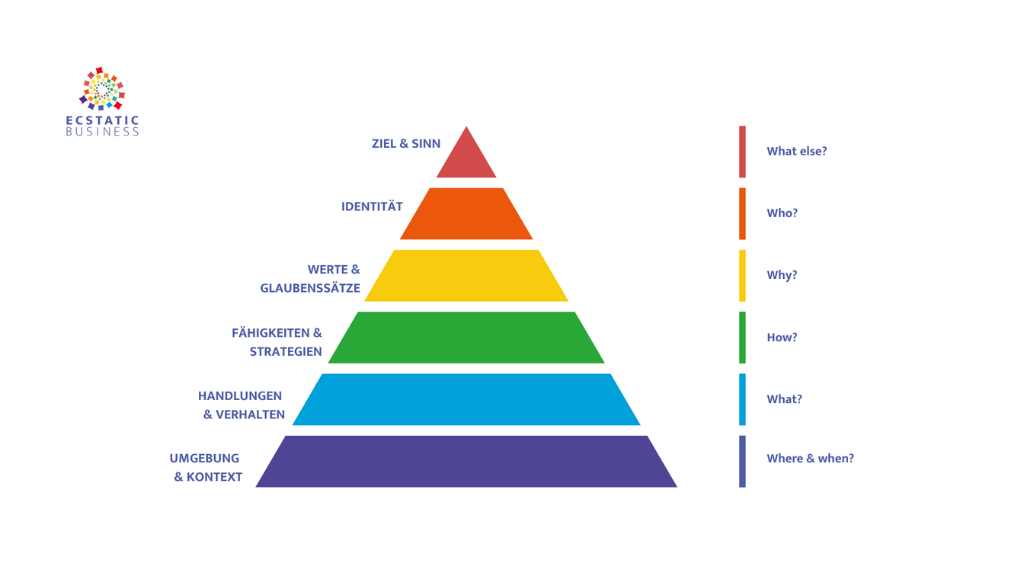
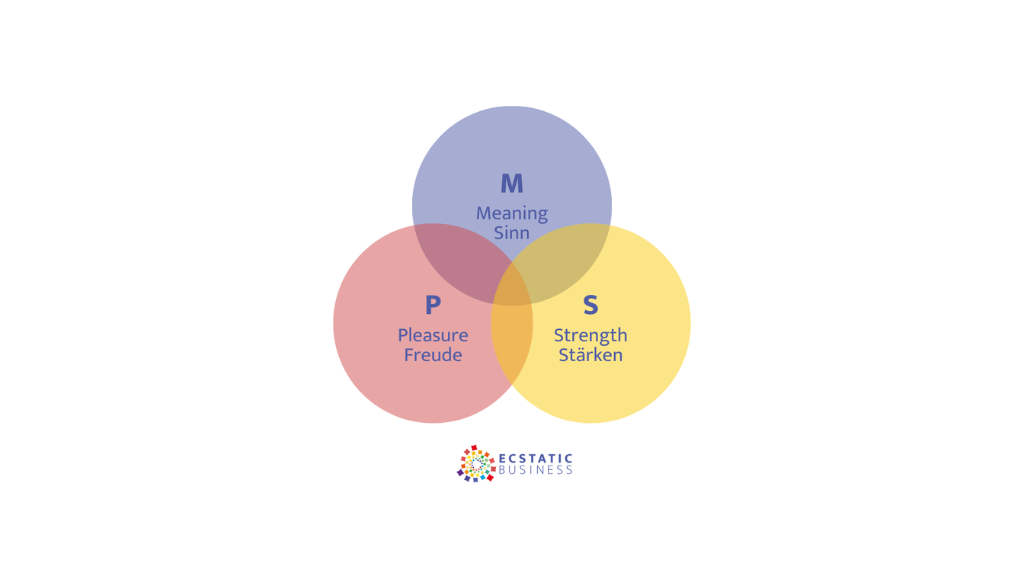
A central component is the MPS framework (Motivation–Personality–System), which bridges individual motives and strengths with structural organizational conditions. In tandem, it leverages Maslow’s Hierarchy of Needs: Where are foundational needs—such as safety, belonging, or esteem—going unmet? What behavioral patterns emerge as a result?
It is about bringing these needs to conscious awareness and finding constructive ways to fulfill them in the here and now—rather than relying on outdated coping mechanisms that simply do not serve you in the workplace.
Through targeted inquiry, reflection, and feedback, internal convictions and core beliefs are reframed. By bringing negative beliefs to conscious awareness, they can be transformed into empowering affirmations. This is not about altering one’s identity, but about adopting a new vantage point: shifting from “I have to do it all on my own” to “I am someone who achieves great things through smart collaboration.”
This creates a new internal foundation for decision-making—free from internal contortions. And this is precisely the space where genuine professional transformation begins.
Are you intrigued and ready to step up to a new level of clarity? Then get in touch with our experienced team today to schedule an appointment.

